About Me:
My name is Garyn Jones, a Computer Games Development & Design student at Cardiff Metropolitan University with a strong focus on gameplay mechanics and systems design. As a fluent Welsh speaker, I bring both technical and creative perspectives to my work, with a particular interest in how mechanics shape player experience.
My Hobbies:
Sim racingPlaying guitarGymF1
If you’d like to hear more about me I have done a few articles regarding my health and swimming and articles with Wales Online and Swim Wales. I’ve also been on ITV as well as S4C. For more info on this click the buttons below.
Follow my Socials




Featured Projects
Creating realistic fire simulation in games is far more performance-intensive than it first appears. For a university assignment, I was given the choice between water simulation, fire simulation, or terrain generation. I deliberately chose fire, knowing it would be the most challenging option and offer fewer tutorials to rely on, pushing me to think critically about how I wanted the system to work.
This became one of the most enjoyable challenges in my development journey. Below, I break down what makes my fire simulation particularly effective, and how I optimised it across two different game engines.
Realistic Fire inside of Games

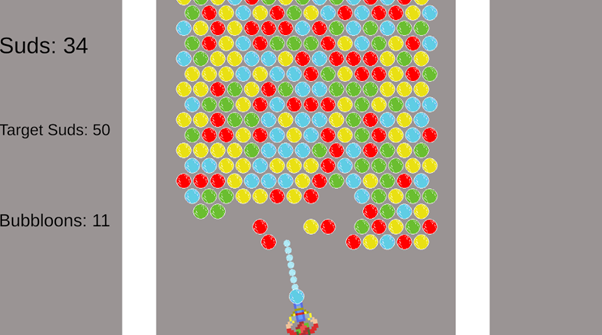
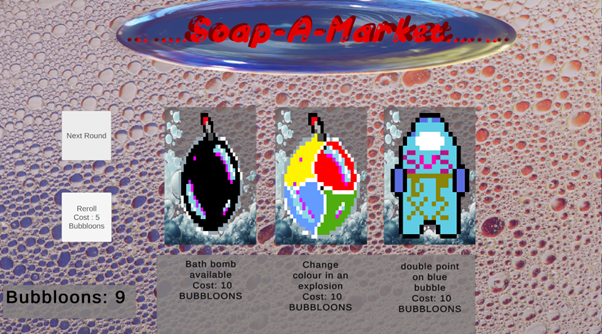
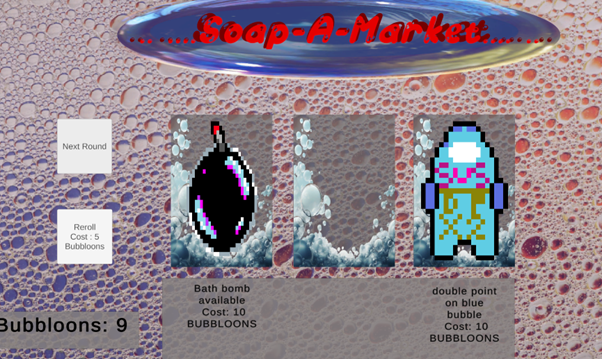
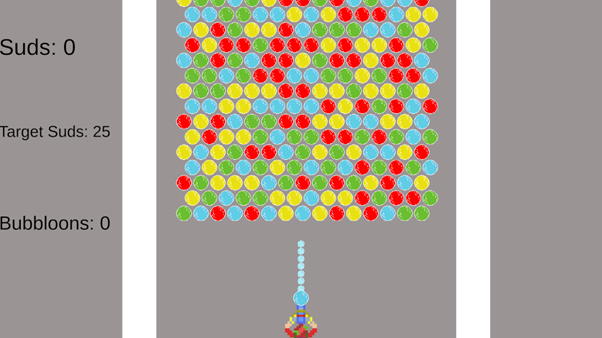
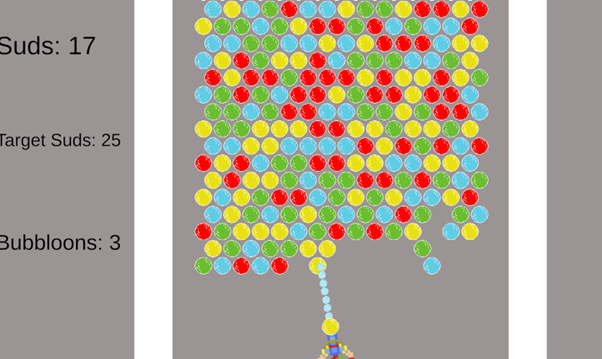
Global Game Jam (2025) -BubbleTro
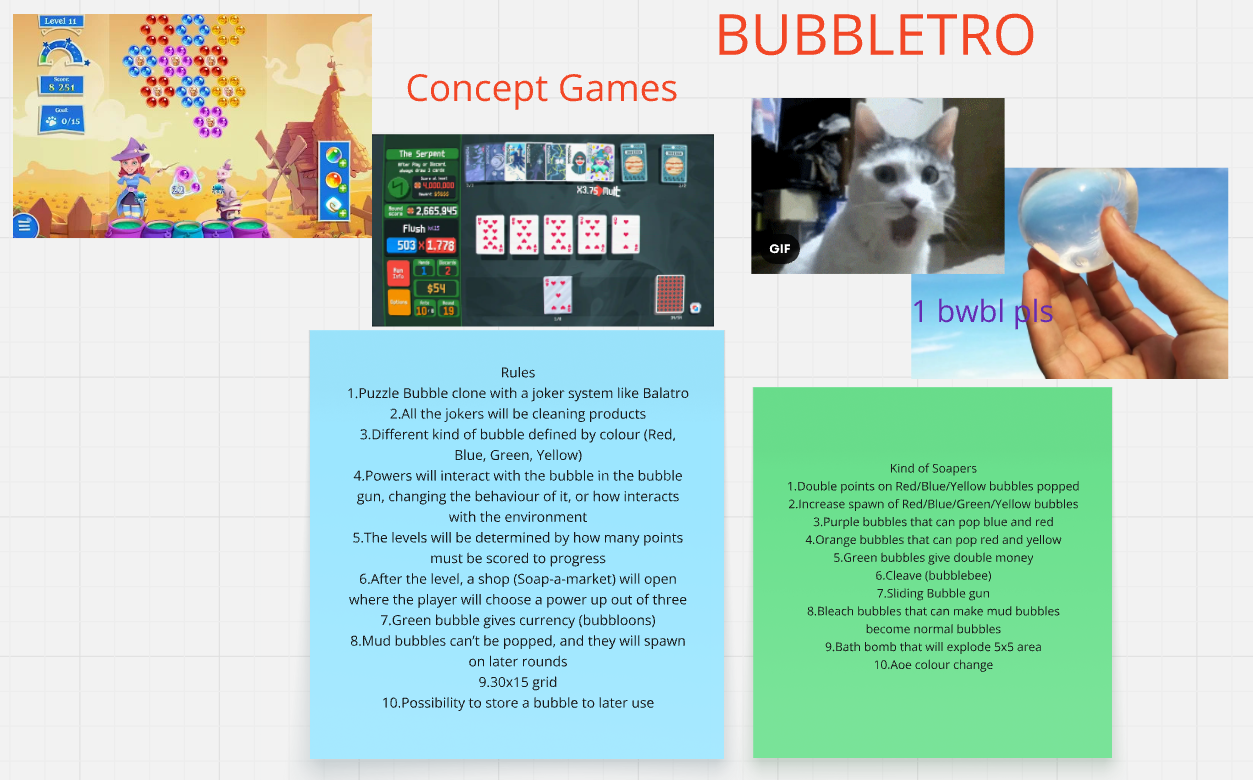
This was my fourth game jam, developed with a group of friends from university. The theme was Bubbles, and at the time much of the team was heavily influenced by Balatro.
To stay organised, we relied on Miro for planning and structuring ideas, which helped get everyone on the same page before development started.
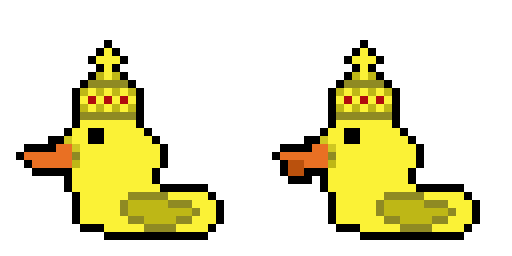
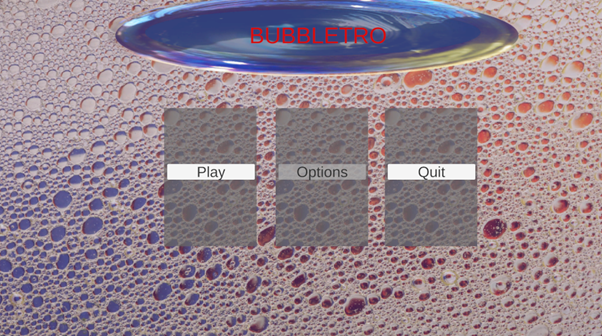
For this game jam, I designed all of the pixel art, including the in-game UI elements, using Aseprite. I spent 36.7 hours over three days from Friday to Sunday afternoon, completing the work just in time for submission. While all the art was animated, time constraints meant the animations weren’t fully implemented in the final build.
I also created BubbleGun Marv at the bottom of the screen and implemented the shooting and aiming mechanics. One of my teammates later adjusted the bounce mechanics while I focused on art.
Our team placed second in the university contest, competing against five other groups. The presentation was a highlight, where we showcased the game alongside some humorous bugs we hadn’t managed to fix.
Since then, I’ve continued creating pixel art and challenging myself with more complex projects, which I showcase on my Twitter.

What Are My Future Development Plans?
I’ve recently been experimenting with AI navigation, focusing on making enemies seek out the player in a natural and intelligent way rather than just pathing straight at them. I’ve implemented multiple states — seeking, chasing, and grouping into packs — with enemies dynamically dispersing if they lose the player.
Optimising this for performance has been a challenge, especially on my non-gaming laptop without a GPU. So far, I’ve managed 1,000 enemies running these behaviours at around 7.8 FPS with a response time of roughly 200ms, which I’m very happy with. On a high-end PC, the system runs smoothly above 60 FPS.
This project has been a fun exercise in optimisation and emergent behaviour, and it’s taught me a lot about balancing AI complexity with real-time performance.
Playing ARC Raiders completely changed how I think about AI in games. Seeing how the game teaches its machine learning AI inspired me to explore similar concepts, with the goal of creating a spider-like creature with six or eight legs that can learn to walk and adapt to new terrain. This is a direction I plan to pursue after finishing my fire simulation project.